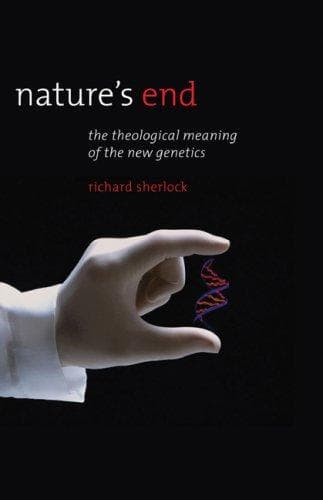
Nature's End
"Sherlock addresses a provocative question about new developments in genetic research: How can one make moral judgments regarding the moral properiety of changing human nature based on nontheologically informed conceptions of human nature? His book should be carefully read by scientists, ethicists, policymakers, and the general public."--Arthur J. Dyck Research Professor of Ethics, Harvard Divinity School. This idea that nature is the ultimate standard of our actions is fundamental to the Western moral tradition, found in writers as different as Aristotle, Hume, Hobbes, and Darwin. But in an age of rapid changes brought on by biotechnologies such as stem-cell reserach, gene therapy, and mood-altering drugs, can human nature still serve as a basis for our moral thinking? Now that we can alter human nature, contends Richard Sherlock in this provocative new book, we must find a transnatural standpoint from which to make moral judgments--that is, a theological standpoint. In Nature's End, Sherlock argues that responses based on pragmatism or arguments from nature, including natural-law arguments, are not enough. "In a profound way," he writes, "theology trumps biology as it does philosophy and every other purely human study."Theology is now--as it once was--"the queen of the sciences." Nature's End boldly reclaims an older view of the purpose of human studies and inventiveness--showing that nothing less will meet our deepest moral challenges or answer our most fundamental questions. --Book Jacket.