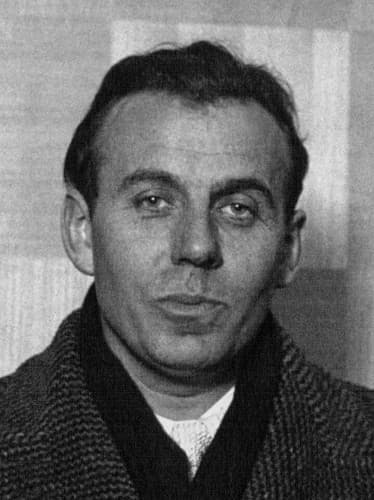
Louis-Ferdinand Celine
1894 — 1961 · 285 obras en el catálogo
Louis-Ferdinand Céline, né le 27 mai 1894 à Courbevoie et mort le 1er juillet 1961 à Meudon, connu sous son nom de plume généralement abrégé en Céline, est un écrivain, médecin et collaborationniste français. Il est notamment célèbre pour *Voyage au bout de la nuit,* publié en 1932 et récompensé par le prix Renaudot la même année. Considéré, à l'instar de Faulkner et de Joyce, comme l'un des plus grands novateurs de la littérature du XXe siècle, Céline introduit un style elliptique personnel et très travaillé, qui emprunte à l'argot et tend à s'approcher de l'émotion immédiate du langage parlé. Céline est aussi connu pour son antisémitisme et sa collaboration active avec l'occupant nazi : il publie des pamphlets virulents dès 1937 et dénonce publiquement plusieurs personnes pour leur judéité réelle ou supposée. Il est alors proche des milieux collaborationnistes et du service de sécurité nazi. Il rejoint en 1944 le gouvernement en exil du régime de Vichy à Sigmaringen. Ces faits lui vaudront, après la guerre, d'être frappé d'indignité nationale. ([Wikipedia](https://fr.wikipedia.org/wiki/Louis-Ferdinand_C%C3%A9line)) --- Louis-Ferdinand Céline, born on May 27, 1894, in Courbevoie and died on July 1, 1961, in Meudon, known by his pen name usually shortened to Céline, was a French writer, physician, and collaborator. He is particularly famous for *Journey to the End of the Night*, published in 1932 and awarded the Prix Renaudot the same year. Considered, like Faulkner and Joyce, one of the greatest innovators of 20th-century literature, Céline introduced a personal and highly crafted elliptical style, drawing on slang and striving to capture the immediate emotion of spoken language. Céline is also known for his antisemitism and active collaboration with the Nazi occupiers: he published virulent pamphlets as early as 1937 and publicly denounced several people for their real or perceived Jewishness. He was then close to collaborationist circles and the Nazi security service. In 1944, he joined the Vichy regime's government-in-exile in Sigmaringen. These actions led to his being stripped of his civic rights after the war.